


In brief
Energy-yield (P50/P90), grid connectivity and curtailment, module and battery degradation, hybrid tariffs — the technical questions that decide renewable credit files.
In renewable financing the technical assumptions are the credit risk: a 5 per cent error in energy yield moves DSCR more than a 50-basis-point change in interest.
Energy yield: P50 or P90?
Lenders size debt on P90 (the output exceeded 90 per cent of the time), not the P50 in the developer’s model. The TEV checks the resource data source, losses assumed (soiling, availability, transformer, curtailment) and whether the P90 has been independently derived.
Grid and evacuation
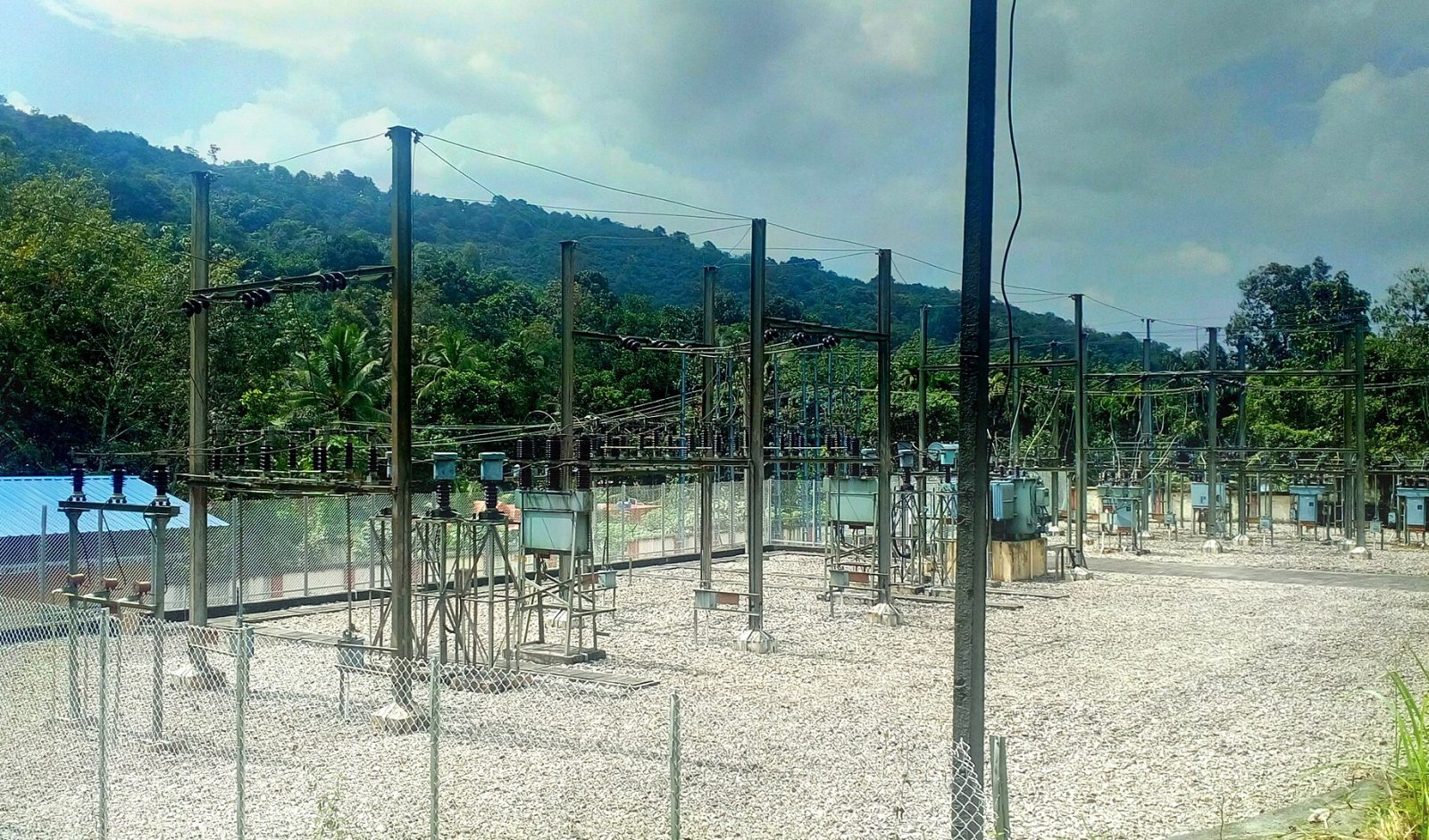
Connectivity approval, bay availability and the timing of the transmission line are the most common causes of stranded capacity. The TEV verifies status and the cost and schedule risk of any line the developer must build.
- Year 1100%
- Year 597.6%
- Year 1094.6%
- Year 1591.7%
- Year 2088.8%
Illustrative curve at a common warranted degradation rate. The TEV tests debt service against the degraded yield, not the year-one figure.
Degradation and replacement
Module degradation of 0.5–0.7 per cent a year, inverter replacement in year 10–12, and for battery storage the cycle-life and augmentation schedule — each must appear in the cost and revenue model.

Hybrid and round-the-clock tariffs
Availability obligations and penalties under RTC and hybrid PPAs require the TEV to test the combined plant against the contracted profile, not the annual total. Kakode & Associates has assessed 5,000 MW of solar, wind, hybrid and BESS capacity across 15 SPVs, including the ₹4,600 crore Serentica Renewables TEV. See Renewable Energy.
Need an independent technical opinion?
A partner responds within one working day — TEV, LIE, valuation or certification.


