


In brief
Eight EV and charging SPVs, six lender mandates and ₹5,000 crore later — the technical diligence questions that now decide these files.
Electric-bus financing in India has moved from pilot to portfolio. Across eight EV and charging SPVs and six lender mandates, the same diligence questions recur — and they are technical before they are financial.
Battery life and replacement cost
Lenders now expect an independent view on battery degradation curves, warranty coverage and the timing and cost of mid-life replacement, because it moves the DSCR profile materially.
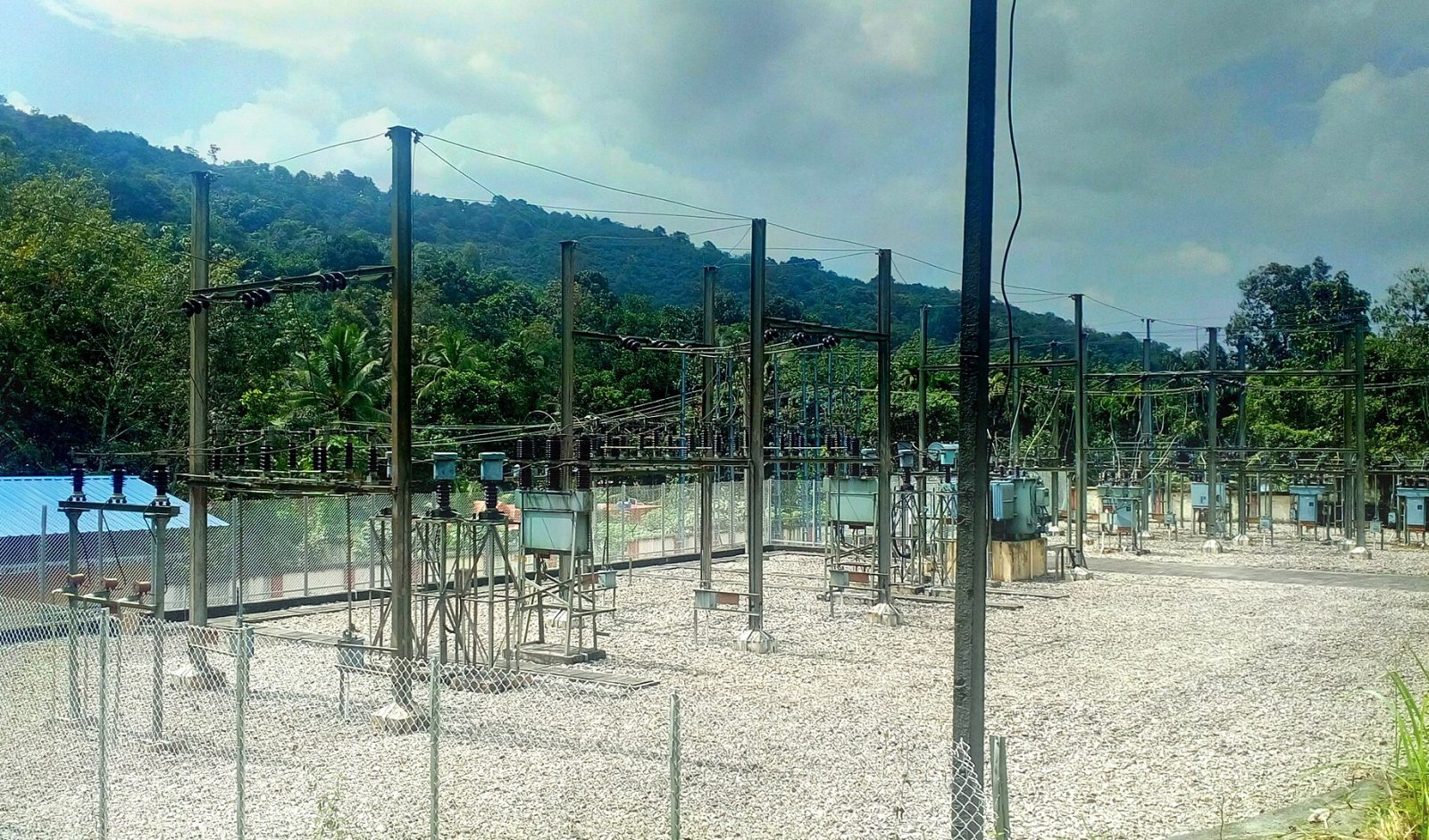
Charging infrastructure as collateral
Depot charging assets are a new asset class for most banks. Our valuations separate civil works, grid connection and chargers, each with distinct useful lives and resale characteristics.
- Chassis and body40%
- Battery pack35%
- Motor and power electronics15%
- Other systems10%
Illustrative cost structure. The battery is the largest single item that will need replacing within the loan tenor.
Gross-cost contract risk
Under GCC models the SPV’s revenue is per-kilometre availability. TEV work therefore focuses on fleet utilisation, uptime assumptions and the penalty regime in the concession agreement.

Need an independent technical opinion?
A partner responds within one working day — TEV, LIE, valuation or certification.


