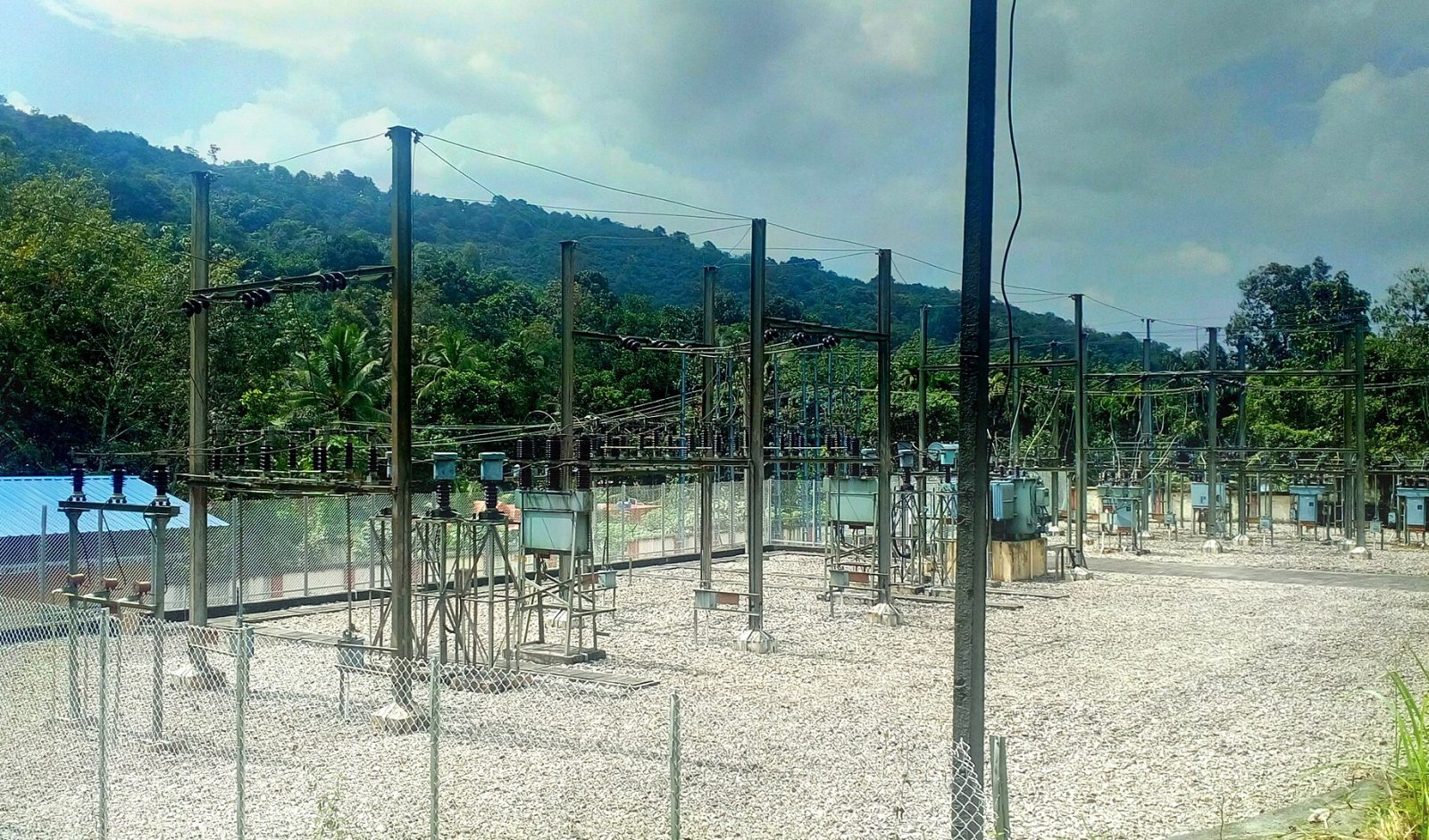
In brief
Cost, market and income approaches explained with examples — replacement cost new, depreciation for age and obsolescence, and why a paper-mill line and a data centre are valued differently.
Plant and machinery is valued by three approaches — cost, market and income — and a defensible report reconciles them rather than picking one.
Cost approach: replacement cost new less depreciation
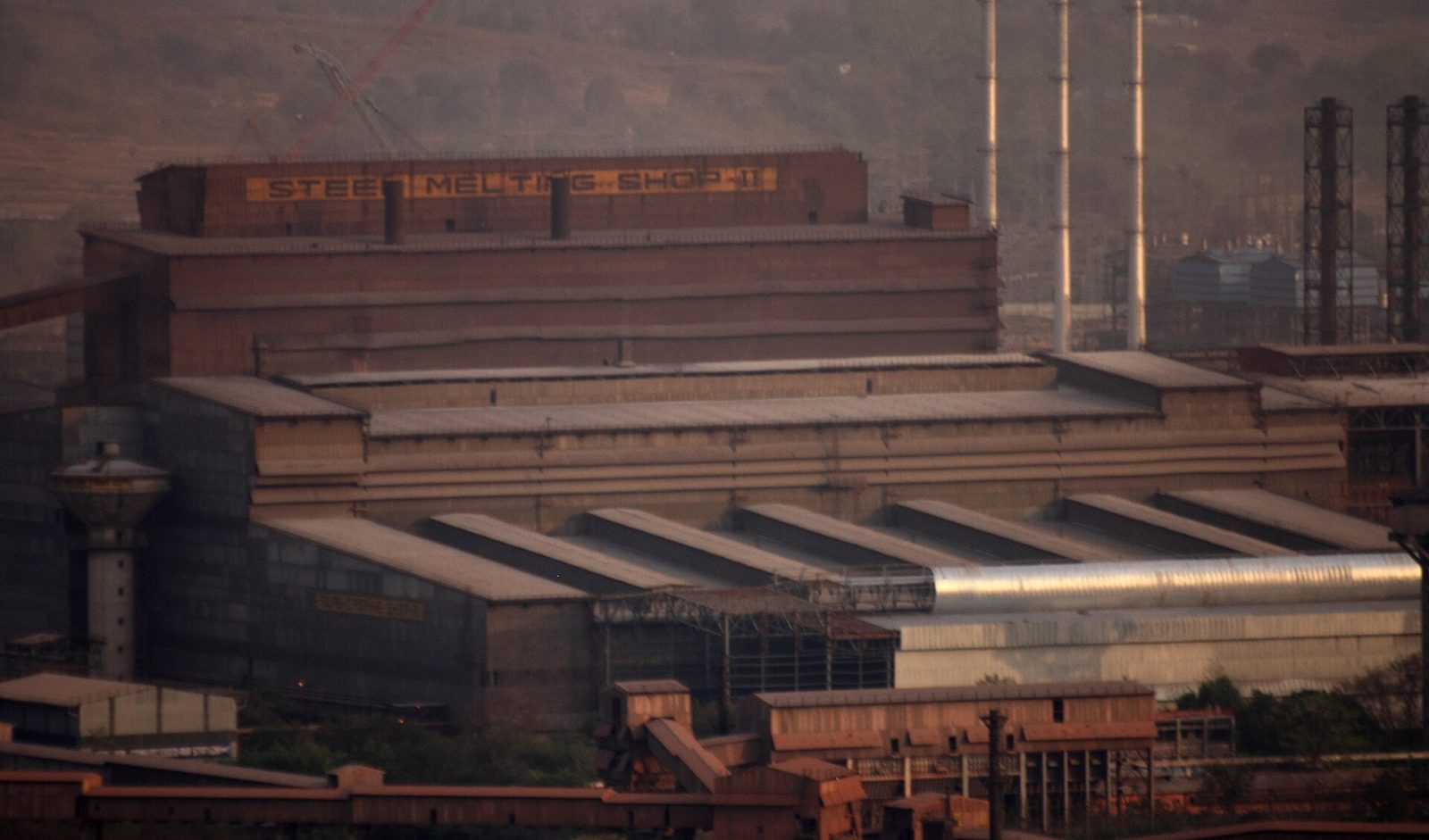
The valuer establishes what it would cost today to buy and install equivalent capacity (replacement cost new), then deducts physical deterioration (age and condition), functional obsolescence (older technology) and economic obsolescence (the industry cannot earn a return on the asset). This is the workhorse for loan security and insurance.
Market approach: comparable sales
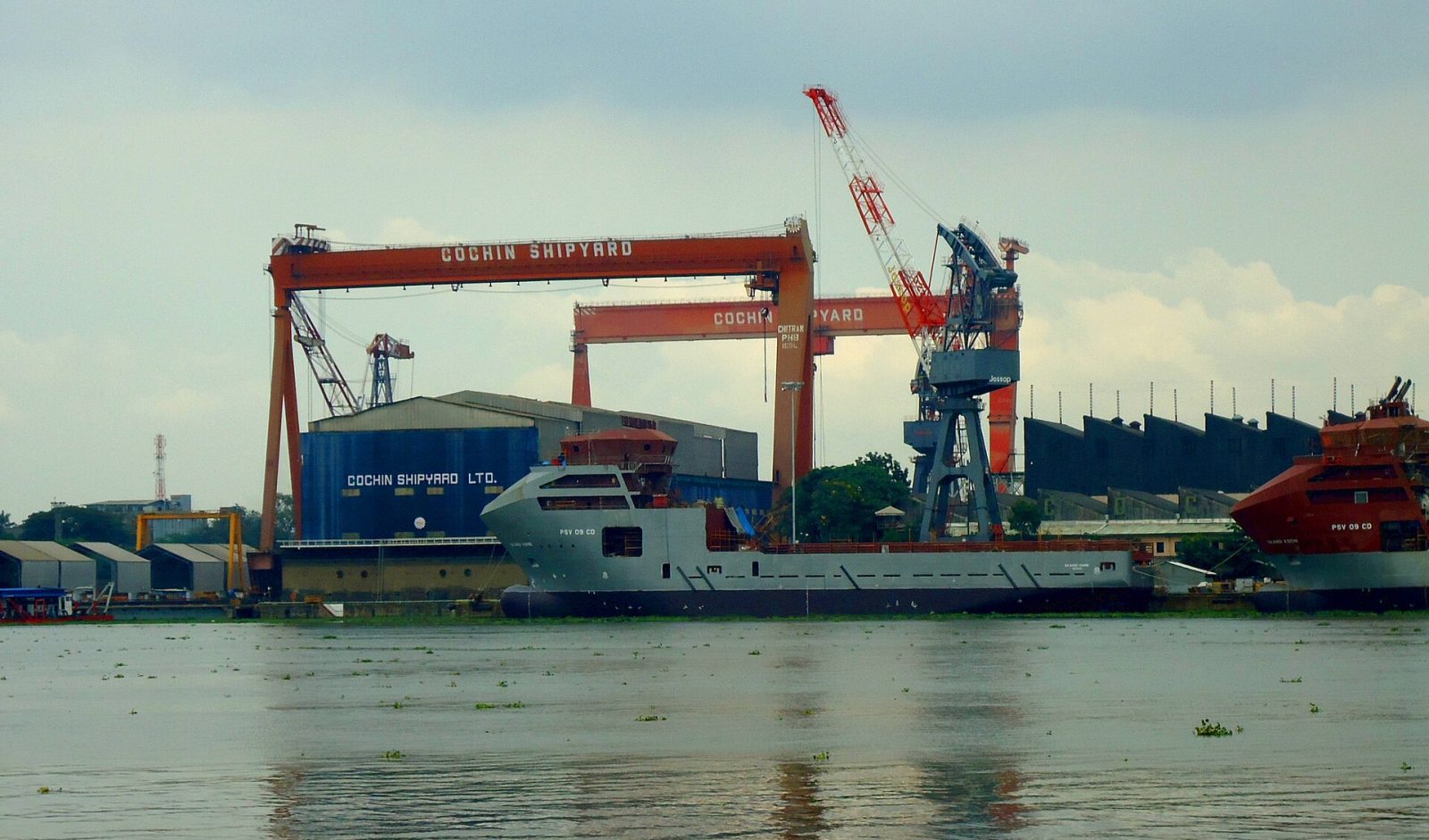
Where an active second-hand market exists — construction equipment, vessels, standard machine tools, vehicles — recent transactions give the best evidence. It is weak for bespoke process plants.
- Year 0100%
- Year 572%
- Year 1050%
- Year 1534%
- Year 2022%
Illustrative depreciation for a well-maintained general-purpose machine. Condition, obsolescence and remaining life move the curve.
Income approach: what the asset can earn
Used for going concerns and for assets whose value is tied to a contract, such as a power plant with a PPA. Cash flows attributable to the plant are discounted at a rate reflecting the risk.
What separates a good report from a bad one?
- Physical inspection and tagging of every major asset, not a copy of the fixed-asset register
- Capacity and condition verified against nameplate data and maintenance records
- Explicit obsolescence reasoning, especially for stressed industries
- A signature from a registered valuer in the Plant & Machinery class
Kakode & Associates has valued over 44,000 MW of generating capacity and plants for steel, cement, textiles, pharma and chemicals. See Asset & Business Valuation.
Need an independent technical opinion?
A partner responds within one working day — TEV, LIE, valuation or certification.